

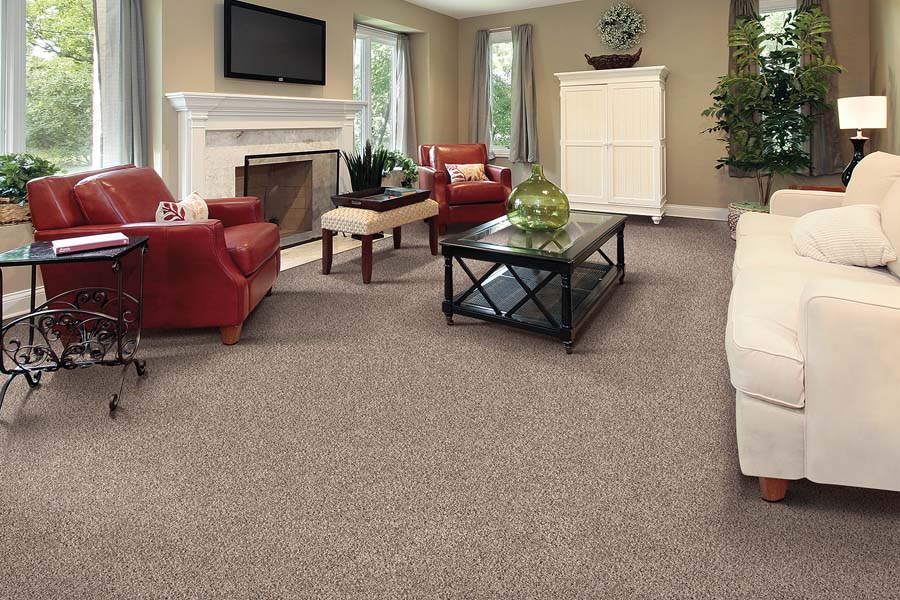
Home should feel comfortable. But sometimes it sounds anything but peaceful. Footsteps travel down the hallway. Kids run upstairs. Chairs scrape across the floor. Conversations carry from one room to another. Add televisions, pets, appliances, and everyday activity, and a busy home can get loud quickly.
That's where carpet can make a noticeable difference. Its soft, fibrous surface absorbs sound rather than reflecting as much of it back into the room. Carpet won't completely soundproof your house, but the right carpet and padding can help create spaces that feel quieter, softer, and more comfortable.
At Gerami's Floors, we've helped Lafayette, LA, homeowners find flooring since 1920. As a family-owned carpet store in Lafayette, our goal isn't simply to sell a floor. We help customers find flooring that works for their homes, lifestyles, and budgets. It's all part of our philosophy: Right for You, Right for your Home.
So, how much can carpet actually help with noise? And what should you look for if a quieter home is your goal? Let's take a closer look.
Does carpet really help reduce noise?
Yes. Carpet can help reduce several types of everyday household noise.
Hard surfaces such as tile and wood tend to reflect sound. When sound waves hit those surfaces, more energy can bounce back into the room. That's one reason a large, sparsely furnished room with hard flooring can sometimes sound echoey.
Carpet behaves differently. Its fibers help absorb sound energy, which can reduce reflections within a room.
Then there is impact noise. Think about footsteps, a dropped toy, or something rolling across an upstairs floor. Carpet creates a softer surface between the activity and the structure below it. Add carpet padding, and you have another layer that can help reduce the transmission of impact noise.
That doesn't make carpet the same thing as professional soundproofing. If you're trying to block loud music, mechanical noise, or sound traveling through walls, ceilings, doors, and ductwork, additional solutions may be necessary.
For everyday household noise, though, carpet can be an important part of a quieter interior.
What types of household noise can carpet help control?
Not all noise is the same.
Impact noise is created when something physically strikes or moves across a surface. Footsteps are the classic example. Children jumping, pet claws, furniture movement, and dropped objects also create impact noise.
Carpet can be especially useful for reducing the sharp sound associated with these activities.
Airborne noise includes voices, televisions, music, and other sounds that travel through the air. Carpet can absorb some of this sound within a room, helping reduce reverberation and echo.
Picture two empty rooms. One has hard floors and bare walls. The other has carpet. The carpeted room will often feel acoustically softer because there are more fibrous surfaces absorbing sound.
Of course, furniture, curtains, rugs, upholstered pieces, and room layout also influence acoustics. Flooring is only one part of the equation, but it's a big surface. That gives carpet an opportunity to make an impact.
Why does carpet make a room feel quieter?
It's all about absorption.
When sound reaches a hard, smooth surface, much of that sound can reflect. Multiple reflections create reverberation, which can make a room feel louder or more echoey.
Carpet's fibers and construction create a more complex, porous surface. Instead of reflecting as much sound directly back into the room, the carpet can absorb some of that energy.
This can make conversations easier to hear, reduce the harshness of everyday noise, and create a more comfortable atmosphere.
The effect can be particularly noticeable in open spaces. Modern homes often feature large rooms, tall ceilings, and open floor plans. Those layouts look beautiful, but they can create acoustic challenges.
Adding carpet in appropriate spaces introduces a large sound-absorbing surface without requiring a separate acoustic treatment.
Does carpet padding help with sound reduction?
Yes, and it shouldn't be an afterthought.
Carpet padding, also called cushion, sits between the carpet and subfloor. Most people think of padding in terms of comfort, but it can also influence how the flooring responds to impact.
When footsteps hit the carpet, the cushion provides an additional layer between the foot and the structural floor. That can help soften impact noise.
The right cushion can also support carpet performance and feel. However, thicker doesn't automatically mean better.
Carpet manufacturers often specify acceptable cushion density and thickness for their products. Using the wrong pad can affect how the carpet performs and may even affect warranty coverage.
If noise reduction is important to you, mention it when shopping. Your flooring professional can help you compare carpet and cushion combinations that fit both the product requirements and your goals.
Which carpet styles are best for a quieter home?
There isn't one carpet style that wins every acoustic comparison. Construction, pile, density, fiber, padding, and installation all play a role.
Still, thicker and denser carpet constructions generally provide more fibrous material to interact with sound than very thin surfaces.
Plush and textured carpets can be appealing in bedrooms and living spaces where comfort and quiet are priorities. Frieze styles use tightly twisted fibers and provide a relaxed, soft surface.
Berber carpet offers another option. Berber carpet generally refers to loop-style construction and can range from compact, low-profile designs to thicker, more textured looks. Because products vary considerably, compare individual specifications rather than assuming every Berber carpet will provide the same acoustic performance.
Focus on the complete flooring system. Carpet style matters, but so do cushions and installation.
Is nylon carpet a good choice for busy rooms?
Nylon carpet is popular for spaces where resilience and durability matter.
Nylon fibers are known for their ability to recover from compression, making many nylon carpet products well suited to areas with regular foot traffic. You'll also find nylon in an enormous range of colors, textures, patterns, and pile constructions.
For a family room that needs to feel comfortable while handling everyday activity, nylon is certainly worth considering.
Remember that fiber alone doesn't determine performance. Two nylon carpets can have very different constructions, densities, finishes, and warranties.
If you're shopping at a carpet store in Lafayette, explain how many people use the room, whether you have children or pets, and what matters most to you. Those details can help narrow the choices much faster.
Can wool carpet help create a quieter space?
Wool carpet brings together natural beauty, resilience, softness, and a premium feel.
Its dense, fibrous construction can contribute to the acoustic benefits people associate with carpet. Wool carpet can therefore be an appealing option for bedrooms, formal living areas, home offices, and other spaces where you want both comfort and a refined appearance.
Wool is a natural fiber, and its appearance can range from understated neutrals to distinctive patterns and textures.
It generally comes at a higher price than many synthetic options, however. Care requirements can also differ by product.
If you're interested in wool, consider the complete picture: budget, traffic, maintenance, style, carpet construction, and manufacturer recommendations.
Where should you install carpet to reduce household noise?
Bedrooms are an obvious choice. Carpet makes the room feel warmer underfoot while helping soften footsteps and other sounds. That's particularly valuable in upstairs bedrooms where impact noise might otherwise travel to rooms below.
Hallways are another strategic location. People move through them constantly, and footsteps can echo along long, hard surfaces.
Family rooms and media rooms also benefit. Carpet can help absorb some reflected sound from televisions, conversations, games, and speakers, creating a more acoustically comfortable environment.
Home offices are worth considering as well. Carpet can reduce the sharp sound of chair movement and footsteps while helping control room echo during phone calls or video meetings.
And don't forget upstairs spaces. If reducing impact noise between floors is a priority, carpeting second-story rooms and hallways can make a practical difference.
Can carpet make an open-concept home feel less echoey?
It can help.
Open-concept spaces often contain large expanses of hard materials. Wood or tile flooring, stone countertops, glass, drywall, and large windows can all reflect sound.
When there are few soft materials to absorb that sound, voices and other noises may seem to linger.
Carpet introduces a large absorptive surface. If wall-to-wall carpet isn't right for the entire open space, you can use it selectively in adjoining rooms and combine hard flooring with large area rugs, upholstered furniture, curtains, and other soft materials.
You don't necessarily need to choose between great design and comfortable acoustics. A thoughtful mix of surfaces can give you both.
How does carpet color affect the feel of a quiet room?
Sound isn't the only factor that creates a peaceful space. Visual design matters.
Warm neutrals such as beige, taupe, cream, and soft brown can create a relaxed atmosphere. Cooler grays may complement contemporary interiors, while deeper colors can make bedrooms, libraries, and media spaces feel more intimate.
Patterns and multitone carpets add visual texture and may also help disguise everyday dirt and signs of use.
Always consider lighting. A carpet color can look dramatically different under bright showroom lighting, natural daylight, and warm lamps.
Think about the entire room. Walls, furniture, window treatments, and carpet should work together to create the mood you want.
How should you maintain carpet for long-term performance?
A quieter home shouldn't mean complicated floor care.
Vacuum regularly to remove dust, dirt, and grit before they settle deeper into the carpet. High-traffic areas may need more frequent attention.
When spills happen, act quickly. Blot instead of aggressively scrubbing and use cleaning products recommended by the carpet manufacturer.
Periodic professional cleaning may also be recommended. Follow the manufacturer's care guidelines and warranty requirements for your specific carpet.
Entrance mats can reduce the amount of dirt reaching carpeted rooms. Regular maintenance won't just improve appearance. Removing abrasive soil can help protect carpet fibers from unnecessary wear.
Is carpet the same as soundproofing?
No, and this distinction is important.
Carpet can help with sound absorption and impact-noise reduction, but it does not completely soundproof a room.
True soundproofing focuses on limiting sound transmission from one space to another. That may involve insulation, specialized drywall, acoustic underlayments, resilient channels, sealed gaps, upgraded doors, or other construction methods.
Carpet primarily helps make a room acoustically softer and can reduce some noise created by impacts on the floor.
So if your goal is to stop extremely loud sound from traveling between rooms, carpet alone probably won't solve the problem. If you want to reduce echoes, soften footsteps, and make everyday spaces feel calmer, carpet can be a very useful choice.
What should you consider when choosing carpet for noise reduction?
Don't shop based on one feature.
Consider carpet construction, density, pile, fiber, cushion, and the room itself. A busy family room may call for a different product than a lightly used bedroom.
Think about maintenance, too. Nylon carpet may appeal to households prioritizing resilience. Wool carpet offers natural fiber and premium comfort. Berber carpet can provide a distinctive looped appearance in a range of constructions.
Then consider the cushion underneath. The carpet and padding work together, so choosing them as a system makes more sense than evaluating either one alone.
Finally, be realistic about what you're trying to accomplish. Are footsteps the problem? Echo? Noise between upstairs and downstairs? Identifying the source can help you choose the right flooring approach.
Find carpet for a quieter Lafayette home
Sometimes improving a home isn't about adding something you can see. It's about changing how the space feels—and sounds.
Carpet can soften footsteps, absorb reflected sound, reduce echo, and make bedrooms, family rooms, hallways, offices, and upstairs spaces feel more comfortable. Pair the right carpet with appropriate padding, and you have a flooring system that offers both style and practical acoustic benefits.
Gerami's Floors has been part of Lafayette, LA, since 1920. As a family-owned business, Gerami's continues to offer flooring for a wide range of styles and budgets while following a straightforward philosophy: Right for You, Right for your Home.
If you're comparing nylon carpet, wool carpet, Berber carpet, or other styles, visit Gerami's Floors, your local carpet store in Lafayette. See and feel the options in person, talk with the team about how you use your home, and find carpet that helps make your space softer, warmer, and a little quieter.